Latest posts
-
Conversational Agents in Healthcare: A Scoping Review

The rise of the “Virtual Assistant” in medical settings marks a transition toward 24/7 patient support. Conversational agents, or AI chatbots, are no longer limited to simple FAQ responses; they are being integrated into the clinical workflow for triage, mental health support, and medication adherence. Despite their utility, the industry remains focused on the ethical
-
Recent Advancements in Emerging Technologies for Healthcare Management Systems
The landscape of healthcare management is undergoing a seismic shift as traditional administrative systems merge with decentralized technology. At the forefront of this revolution are Blockchain and Artificial Intelligence (AI), which together solve the dual challenge of data security and operational efficiency. By utilizing a decentralized ledger, hospitals can ensure that patient records are immutable
-
Evaluating Mobile Phone Technology for Type 2 Diabetes Self-Management

For patients with Type 2 Diabetes, the most critical factor in long-term health is daily self-management. Mobile technology has shifted this responsibility from the clinic to the palm of the patient’s hand. Through integrated apps and Continuous Glucose Monitors (CGM), patients can now see real-time data on how specific foods and activities affect their blood
-
Cloud Computing and AI for Enhanced Health Data Access
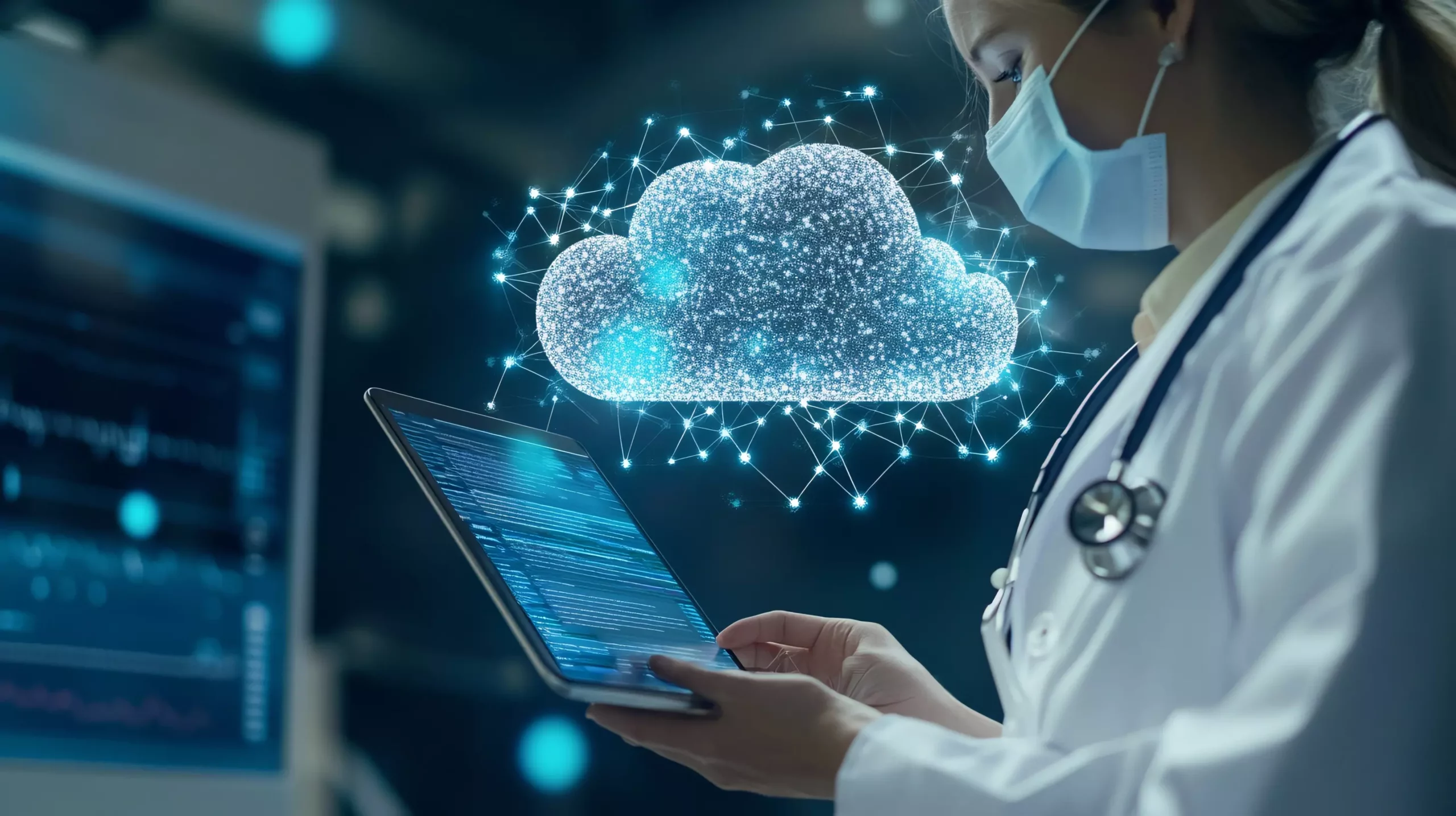
The migration of health records to the cloud has bridged the gap between fragmented data silos and unified patient care. By centralizing information in secure, scalable cloud environments, healthcare providers can access a patient’s complete history regardless of their physical location.
-
IoT-Assisted Wearable Sensor Devices for Continuous Patient Assessment
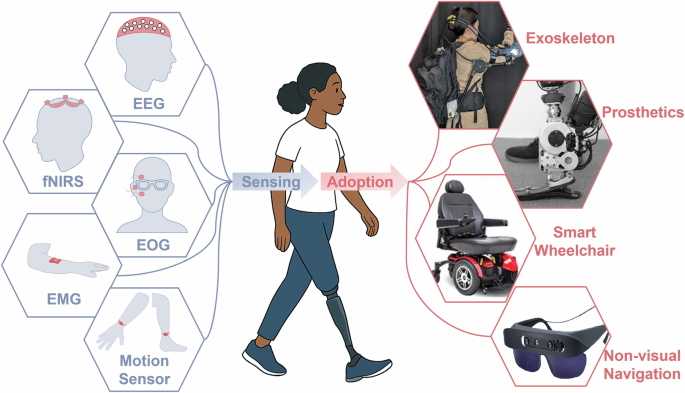
The Internet of Things (IoT) is moving healthcare from “reactive” to “proactive.” Wearable sensors—ranging from smartwatches to medical-grade patches—now monitor vital signs like heart rate, oxygen saturation, and even skin temperature in real-time. These devices create a continuous stream of data that can alert a physician to a potential cardiac event or respiratory distress hours
-
The Role of Big Data in Precision Medicine
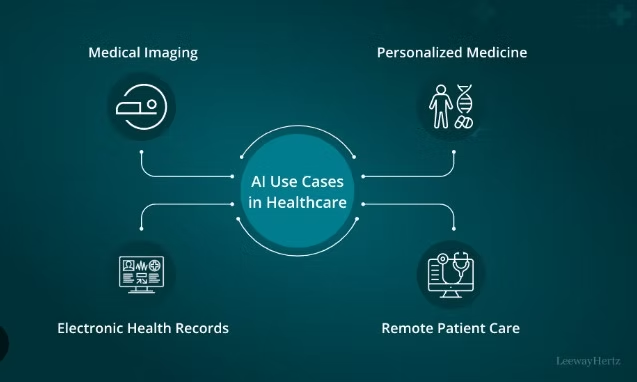
Precision medicine is the practice of tailoring medical treatment to the individual characteristics of each patient. This is made possible through the analysis of “Big Data”—massive datasets containing genetic information, lifestyle habits, and environmental exposures.
-
Blockchain for Secure Medical Record Management
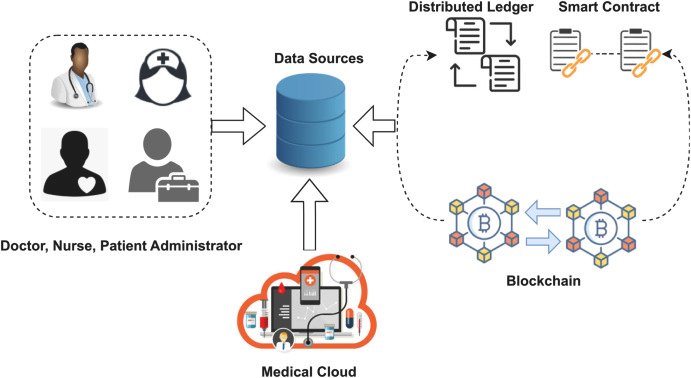
Data integrity and patient privacy are the two pillars of modern healthcare. Traditional centralized databases are often vulnerable to cyberattacks and data breaches. Blockchain technology offers a decentralized alternative where every update to a medical record is timestamped, encrypted, and linked to the previous entry.
-
Machine Learning Applications in Diagnostic Radiology
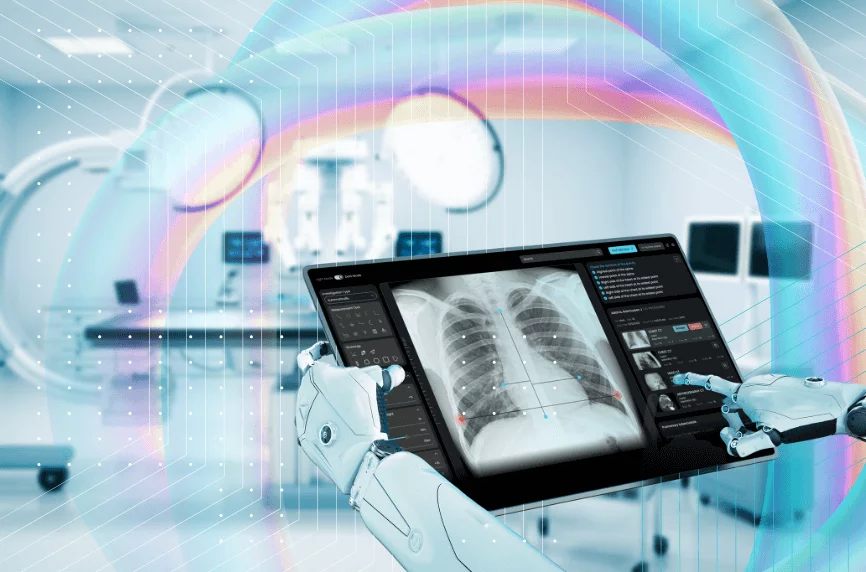
Radiology is being redefined by Machine Learning (ML), particularly through deep learning algorithms that can analyze medical imagery with superhuman speed and precision. While these tools do not replace radiologists, they act as an essential “second pair of eyes.”
-
Telemedicine: Scaling Healthcare in Rural Environments

Telemedicine has evolved from simple video calls into a sophisticated ecosystem of remote clinical services. For individuals in rural or underserved areas, this technology is a lifeline that removes the barriers of distance and transportation.
-
AIOps in Hospital Management Systems
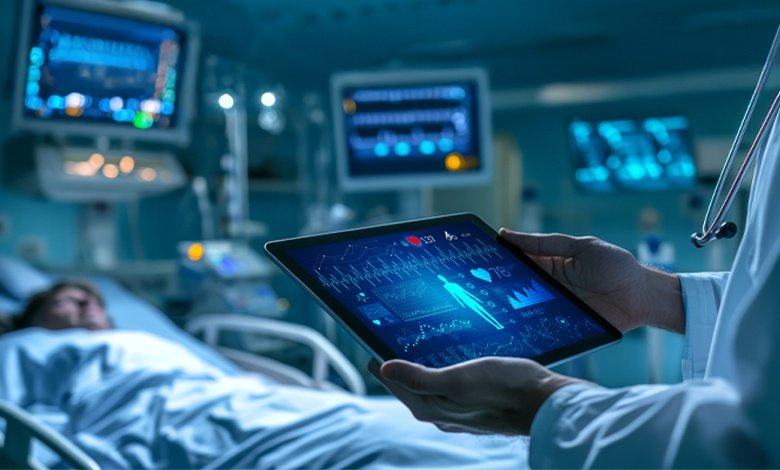
Hospital infrastructure is becoming increasingly complex, requiring a new approach to operational management. AIOps (Artificial Intelligence for IT Operations) uses big data and machine learning to automate and enhance hospital IT workflows. By monitoring the massive throughput of data from patient monitors, electronic health records, and billing systems, AIOps can predict system outages before they